
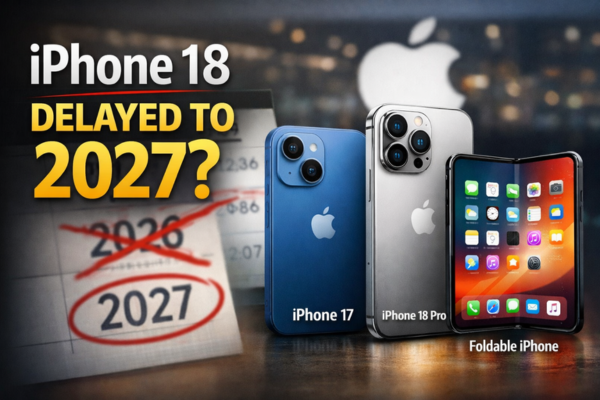
Apple skipping an iPhone launch sounds almost unbelievable. For years, the fall iPhone reveal has been as predictable as the seasons. But new industry reports suggest that Apple may be preparing its biggest iPhone strategy shift in over a decade, one that could leave fans waiting much longer than usual for a new base model.
If the rumors are accurate, the standard iPhone 18 may not arrive in 2026 at all. Instead, Apple could push it into spring 2027, allowing the iPhone 17 to remain the company’s latest non-Pro iPhone for more than 18 months. That alone would mark a historic break from Apple’s long-standing annual upgrade rhythm.
Below, we break down what’s being reported, why Apple might do this, and what it means for future iPhones.
Highlights
-
Apple may skip launching the standard iPhone 18 in 2026 and delay it until spring 2027
-
If true, the iPhone 17 would remain Apple’s latest base model for over 18 months
-
Apple is rumored to split iPhone launches between fall and spring
-
Pro and foldable iPhones may take priority in fall 2026
-
A staggered release strategy could ease supply chain pressure and smooth revenue
The iPhone 17 May Carry the Torch On Its Own
According to multiple reports circulating among supply chain analysts and Apple watchers, the iPhone 18 may not follow Apple’s usual fall launch timeline. Instead, the device is reportedly scheduled for spring 2027, leaving the iPhone 17 as Apple’s primary standard model for an unusually long stretch.
If that happens, 2026 would become the first calendar year without a new non-Pro flagship iPhone since the iPhone era began. That alone makes this rumor stand out.
It’s important to note that Apple would not be going silent for an entire year. Rather, the company appears to be rethinking how and when it launches different iPhone models.
Apple Is About to Turn the Page on Its Past
For nearly a decade, Apple has launched its entire iPhone lineup every September. Base models, Pro models, and larger variants all debuted together in a single, tightly choreographed event.
That tradition may soon change.
Under Apple’s rumored new roadmap, the company could prioritize premium and experimental devices during its fall events, while pushing standard or lower-priced models into the following year.
Reports suggest that in fall 2026, Apple may unveil:
-
iPhone 18 Pro
-
iPhone 18 Pro Max
-
Apple’s first foldable iPhone
The standard iPhone 18 would then arrive months later in spring 2027, potentially alongside models like the iPhone 18e and iPhone Air 2.
This shift may be driven by Apple’s rapidly expanding lineup. With devices like the iPhone 16e, iPhone Air, and an expected foldable iPhone, Apple could have eight or more active iPhone models on sale by the end of 2026. Launching all of them at once would create enormous manufacturing and logistics pressure.
By staggering releases, Apple could:
-
Reduce supply chain bottlenecks
-
Better manage advanced components
-
Spread iPhone revenue more evenly across fiscal quarters
From a business perspective, the move makes a lot of sense, even if it feels strange to longtime iPhone users.
A Key Feature to Watch in the iPhone 18 Pro
While Apple is rarely first to introduce new hardware ideas, it often perfects them in a way that reshapes the market. The iPhone 18 Pro may be another example of that approach.
Recent leaks suggest the iPhone 18 Pro models could feature a variable-aperture camera system. This technology already exists on some Android flagships from Samsung, Xiaomi, and Oppo, but Apple’s implementation is expected to be more refined and tightly integrated with iOS image processing.
A variable aperture would allow the camera to:
-
Adjust how much light enters the lens
-
Improve low-light photography
-
Deliver more natural background blur without relying solely on software
If Apple executes this well, it could once again set the standard for smartphone photography, even if the idea itself isn’t brand new.
Highlights Recap
-
Apple may skip launching the standard iPhone 18 in 2026
-
The iPhone 17 could remain Apple’s base model for over 18 months
-
Pro and foldable iPhones may dominate Apple’s fall 2026 lineup
-
Standard and budget models could shift to spring launches
-
Staggered releases could ease production strain and balance revenue
What This Means for iPhone Buyers
For everyday users, this shift could change how often upgrading feels necessary. If the iPhone 17 remains Apple’s latest base model for a longer period, buyers may feel less pressure to upgrade annually.
At the same time, Apple’s growing focus on Pro and experimental devices suggests the company sees its future growth at the high end. Foldables, advanced cameras, and premium materials may become the centerpiece of Apple’s iPhone strategy, while standard models evolve more slowly.
Conclusion
Right now, everything remains speculation. Apple has not officially confirmed any changes to its iPhone release cycle, and the company is known for adjusting plans quietly behind the scenes.
Still, the idea of Apple skipping a standard iPhone launch for an entire year would represent a massive shift in strategy. As 2026 approaches, clearer signals will likely emerge through supply chain data, leaks, and analyst reports.
For now, one thing is certain. If Apple truly follows this path, the iPhone roadmap as we know it may be entering a whole new era.
 Apple
Apple